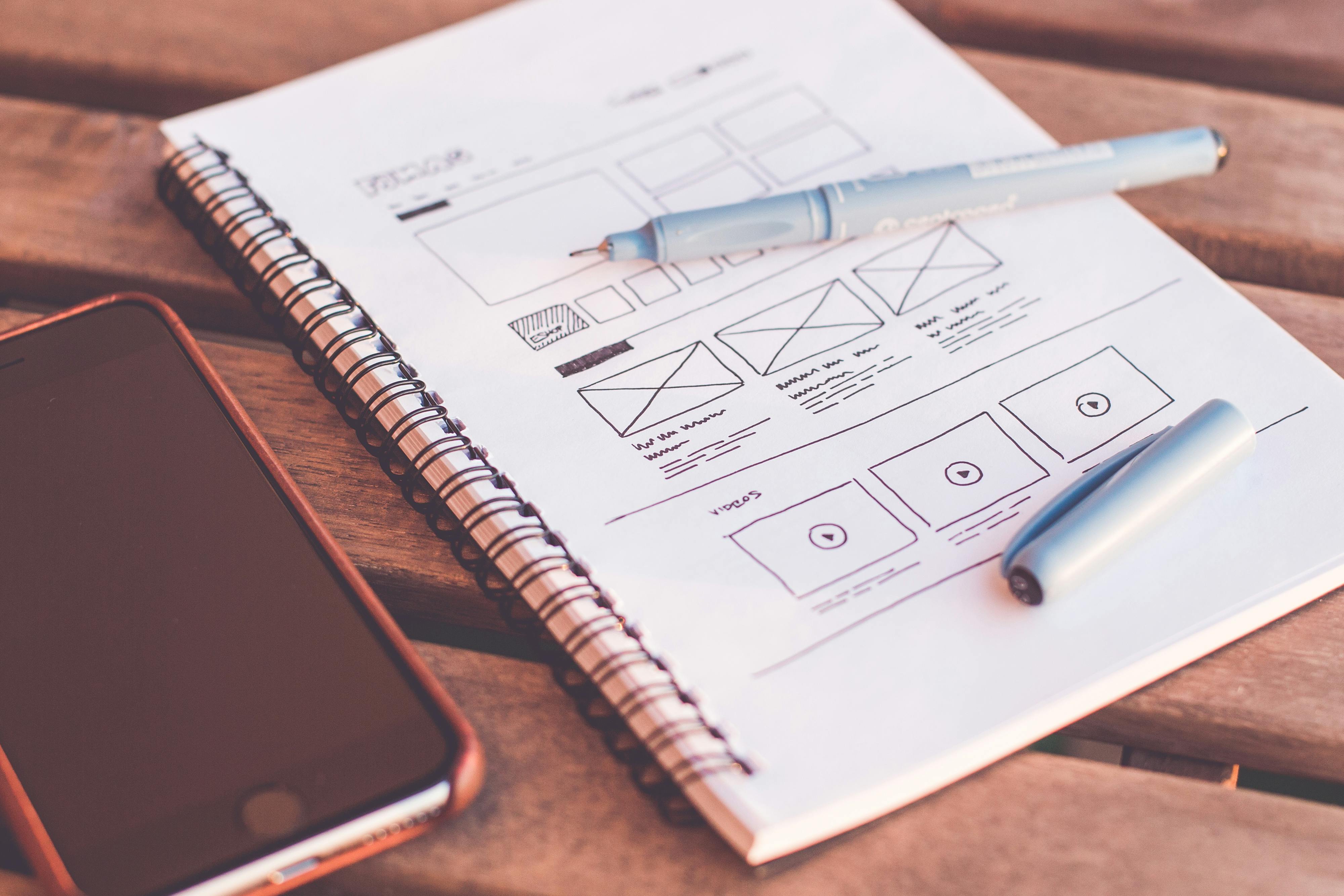
How UI/UX Design Drives E-commerce Sales for Nepali Online Stores
The digital marketplace in Nepal is flourishing. From Kathmandu to Pokhara, and even in smaller towns, more and more Nepalis are turning to online stores for everything from groceries and fashion to electronics and homeware. This surge in digital adoption presents an unprecedented opportunity for e-commerce businesses across the country. However, simply having an online store is no longer enough to guarantee success. In an increasingly crowded digital landscape, where customers have endless choices at their fingertips, what truly sets a successful Nepali e-commerce store apart? The answer, unequivocally, lies in exceptional UI/UX design.
User Interface (UI) and User Experience (UX) design are not just industry buzzwords; they are the fundamental pillars upon which profitable, customer-centric online businesses are built. For Nepali entrepreneurs and established businesses looking to thrive in the competitive e-commerce arena, understanding and investing in UI/UX is no longer optional – it's a strategic imperative that directly drives sales and fosters lasting customer loyalty.
Understanding UI/UX: More Than Just Pretty Pictures
Before we dive into how UI/UX impacts your sales, let's clarify what these terms truly mean, especially in the context of a Nepali online shopper.
What is UI (User Interface)?
Think of UI as the aesthetic and interactive elements of your online store. It's everything a user sees and interacts with. This includes:
- Visual Design: The colors, typography, imagery, and overall brand aesthetics. Does your site feel modern like a trendy boutique in Thamel or chaotic like a cluttered shop in Ason?
- Layout and Grids: How products are displayed, where buttons are placed, and the overall structure of your pages.
- Interactive Elements: Buttons, checkboxes, sliders, forms, and navigation menus. Are they easy to tap on a mobile screen? Do they clearly indicate their purpose?
- Responsiveness: How your website adapts to different screen sizes – desktop, tablet, and crucially, mobile phones, which are the primary access point for most Nepali internet users.
Essentially, UI is the "face" of your digital store. A good UI is clean, intuitive, and visually appealing, making the user's interaction delightful.
What is UX (User Experience)?
UX, on the other hand, is the journey and feeling a user has while interacting with your store. It's about how easy, efficient, and pleasant it is for a customer to achieve their goals – whether that's finding a specific product, comparing prices, adding items to a cart, or completing a purchase. UX encompasses:
- Usability: Can users easily find what they're looking for? Is the navigation straightforward?
- Accessibility: Can a wide range of users, including those with varying internet speeds or digital literacy, use your site effectively?
- Information Architecture: Is the content organized logically? Are product categories intuitive?
- Interaction Design: How users move through your site, from browsing to checkout. Is the process smooth or are there frustrating roadblocks?
- Emotional Response: Does the user feel confident, satisfied, or frustrated? A positive UX builds trust and encourages repeat visits.
For a Nepali e-commerce store, a strong UX means that a customer, even if using an older smartphone on a 3G connection in a rural area, can still comfortably browse, select, and buy products without confusion or annoyance.
Together, UI and UX are inseparable. A beautiful UI with poor UX is like a stunning traditional Nepali house that's impossible to navigate. Conversely, a highly functional UX with a dated UI might struggle to attract new customers. The synergy between the two is what transforms visitors into loyal customers and drives your sales figures upward.
The Direct Impact of UI/UX on E-commerce Sales in Nepal
Let's explore the tangible ways a well-executed UI/UX strategy can directly boost your revenue and strengthen your brand in the Nepali market.
Increased Conversion Rates
This is perhaps the most direct impact. Conversion rate is the percentage of visitors to your site who complete a desired action, like making a purchase. A superior UI/UX design directly optimizes this metric.
- Seamless Product Discovery: Imagine a customer in Kathmandu looking for a specific type of daal or a new kurta-suruwal. If your site's search bar is intelligent, categories are clear (e.g., "Men's Fashion > Traditional Wear"), and filters work efficiently (e.g., by size, color, brand), they're more likely to find what they need quickly. This reduces frustration and increases the likelihood of adding to cart.
- Clear Call-to-Actions (CTAs): Buttons like "Add to Cart," "Buy Now," or "Proceed to Checkout" must be prominent, appropriately colored, and clearly worded. If a customer can't easily find the next step, they'll abandon the process.
- Streamlined Checkout Process: This is a critical conversion point. An optimal checkout flow minimizes steps, offers guest checkout options, clearly displays shipping costs early on, and integrates popular local payment gateways like eSewa, Khalti, and ConnectIPS seamlessly. A customer shouldn't have to navigate a maze to give you their money.
Scenario: A local handicrafts store, "Himalayan Handlooms," revamped its website. Previously, customers struggled to find specific product categories, and the checkout process was a confusing 7-step form. After implementing an intuitive navigation, clearer product images, and a simplified 3-step checkout with prominent eSewa and Khalti options, their conversion rate for online sales jumped by 18% within three months.
Reduced Cart Abandonment
Cart abandonment is a significant challenge for e-commerce businesses worldwide, and Nepal is no exception. Customers add items to their cart but leave before completing the purchase. Poor UI/UX is a primary culprit.
- Transparent Pricing: Hidden costs, especially unexpected shipping fees or taxes that only appear at the final stage, are major turn-offs. A good UX ensures all costs are clear upfront or early in the checkout process.
- Guest Checkout Options: Many first-time buyers are hesitant to create an account. Offering a guest checkout option reduces friction and makes the purchase process quicker.
- Progress Indicators: Showing customers where they are in the checkout process ("Step 1 of 3") provides reassurance and a sense of progress, encouraging them to complete the journey.
- Minimizing Distractions: During checkout, avoid pop-ups or recommendations that divert attention away from the primary goal of completing the purchase.
Scenario: "TechBazaar," an electronics retailer, noticed a high cart abandonment rate. User testing revealed that customers were frustrated by being forced to create an account and unclear shipping costs. By introducing guest checkout, prominently displaying shipping charges on product pages, and adding a progress bar, they observed a 25% reduction in cart abandonment, leading to increased completed sales.
Enhanced Customer Loyalty and Repeat Business
A positive user experience leaves a lasting impression. When customers have a smooth, enjoyable interaction with your online store, they are far more likely to return for future purchases and recommend you to others.
- Memorable Experiences: A beautifully designed, easy-to-use website creates a positive emotional connection with your brand, much like a friendly shopkeeper in a physical store.
- Personalization: Features like "Customers who bought this also bought..." or personalized product recommendations based on browsing history make shopping feel more tailored and efficient, encouraging deeper engagement.
- Easy Re-ordering: For repeat purchases like groceries or daily essentials, a well-designed account dashboard where customers can easily view past orders and re-order items with a click significantly boosts loyalty.
- Consistent Brand Experience: If your website, mobile app, and social media presence all offer a cohesive and professional experience, it reinforces trust and brand recognition.
Scenario: "KiraanaKart," an online grocery store, focused heavily on user accounts that remembered past orders and allowed for one-click re-ordering of frequently purchased items. This thoughtful UX reduced the effort for repeat customers, leading to a loyal customer base and a significant increase in monthly recurring revenue compared to competitors where each order felt like starting from scratch.
Stronger Brand Perception and Trust
In a digital world, your website is often the first, and sometimes only, impression a customer has of your business. A professional, well-designed site instantly builds credibility.
- Professionalism: A polished UI/UX signals that you are a legitimate, reliable business that cares about its customers. This is crucial for attracting customers, especially for higher-value items.
- Credibility: Clear, accurate product information, easily accessible contact details, and transparent policies (returns, privacy) contribute to a sense of trustworthiness.
- Security Assurance: Visible SSL certificates, clear privacy statements, and secure payment gateway icons reassure customers that their personal and financial information is safe, which is a major concern for online shoppers in Nepal.
- Differentiation: In a market where many smaller e-commerce sites might use generic templates, investing in unique, user-centric design makes you stand out from the competition.
Scenario: When "Gahanna Ghar," an online jewelry store, launched, they invested heavily in high-quality product photography and a sophisticated, secure-feeling website design. Despite being a new player, the professional appearance and transparent policies instilled trust, enabling them to compete effectively with established physical jewelry stores and attract customers for expensive purchases, often perceived as risky online.
Improved SEO Rankings
While often seen as a technical aspect, UI/UX directly influences your search engine optimization (SEO), which in turn drives organic traffic and sales.
- Faster Loading Times: Google prioritizes websites that load quickly. Good UX principles include optimizing images, streamlining code, and using efficient hosting, all of which contribute to faster load times.
- Mobile-Friendliness: With the majority of Nepalis accessing the internet via smartphones, Google's "mobile-first indexing" means your mobile site's experience is paramount for search rankings. A responsive, mobile-optimized UI/UX is non-negotiable.
- Lower Bounce Rates: If users quickly leave your site because it's confusing or slow, search engines interpret this as a poor user experience and may lower your ranking. A good UI/UX keeps users engaged longer.
- Better User Engagement: When users spend more time on your site, visit multiple pages, and interact with content, it signals to search engines that your site is valuable and relevant, boosting your visibility.
Scenario: "BookPustak," an online bookstore, noticed its competitors were ranking higher despite having similar product offerings. An audit revealed their site was slow and poorly optimized for mobile. After a UI/UX overhaul focusing on speed and mobile responsiveness, their search rankings for relevant keywords like "Nepali novels online" and "buy textbooks Nepal" significantly improved, leading to a noticeable increase in organic traffic and sales.
Common UI/UX Challenges for Nepali E-commerce Businesses
While the benefits are clear, Nepali businesses often face unique challenges in implementing effective UI/UX:
- Budget Constraints: Smaller businesses might perceive professional UI/UX as an unaffordable luxury, opting for cheaper, less effective templates.
- Lack of Awareness: Many entrepreneurs are still unaware of the profound impact UI/UX has on their bottom line, viewing it as purely aesthetic rather than strategic.
- Reliance on Generic Templates: While templates can offer a quick start, many are not optimized for local user behavior, payment methods, or design preferences.
- Internet Connectivity: A significant portion of the Nepali population still deals with slower or inconsistent internet connections, meaning designs must be lightweight and highly optimized for performance.
- Payment Gateway Integration: Integrating multiple local payment gateways (eSewa, Khalti, ConnectIPS, various banks) smoothly into the checkout flow can be complex without expert design and development.
- Digital Literacy: The digital literacy level among Nepali consumers varies. Designs need to be exceptionally intuitive and error-proof to accommodate a broad user base.
- Localization: Deciding between English, Nepali, or bilingual interfaces, and ensuring cultural relevance in imagery and messaging, requires thoughtful UX design.
Practical Tips for Optimizing UI/UX for Your Nepali E-commerce Store
Addressing these challenges head-on requires a strategic approach. Here are actionable tips tailored for Nepali e-commerce businesses to enhance their UI/UX and boost sales:
1. Mobile-First Approach is Non-Negotiable
Given that the vast majority of Nepali internet users access online platforms via mobile phones, your website must be designed with mobile users in mind first.
- Responsive Design: Ensure your website adapts flawlessly to all screen sizes, from a small smartphone to a large desktop monitor. Test it rigorously on different devices.
- Touch-Friendly Elements: Buttons and clickable areas should be large enough for fingers, not just mouse pointers. Avoid tiny links or overlapping elements.
- Optimized Images and Media: Use compressed images and efficient video formats to ensure fast loading times on slower mobile networks. Avoid heavy animations that consume bandwidth.
- Simplified Navigation: On mobile, prioritize a clean, collapsible menu (like a hamburger icon) that keeps the screen uncluttered.
2. Streamline the Checkout Process
This is where the money changes hands. Make it as effortless as possible.
- Guest Checkout: Allow users to purchase without mandatory account creation. Offer account creation as an option after the purchase is complete.
- Prominent Local Payment Options: Display familiar logos for eSewa, Khalti, ConnectIPS, Visa/MasterCard, and bank transfer options clearly.
- Minimal Form Fields: Only ask for essential information. Each extra field is a potential point of abandonment.
- Clear Progress Indicator: Visually show customers how many steps are left in the checkout process.
- Transparent Pricing: Display the total cost, including delivery charges and any taxes, as early as possible. No hidden fees at the last step!
3. High-Quality Product Presentation
Your product pages are your virtual storefront. Make them inviting and informative.
- Multiple High-Resolution Images: Show products from various angles. For clothing, include images of models wearing the items. For electronics, show different features.
- Detailed & Accurate Descriptions: Provide comprehensive information (size, material, specifications, brand, warranty). Use both English and Nepali if your audience prefers.
- Contextual Imagery: If selling traditional Nepali clothing, show it being worn in a relevant setting. For kitchenware, show it in use.
- Customer Reviews and Ratings: Integrate a robust review system. Positive reviews build trust and act as social proof. Allow customers to upload photos with their reviews.
- 360-Degree Views (If Applicable): For certain products (e.g., jewelry, small electronics), a 360-degree view can greatly enhance the buying experience.
4. Intuitive Navigation and Search
Help users find what they're looking for quickly, just like a well-organized physical store.
- Clear Categories & Subcategories: Organize your products logically. Use terms familiar to Nepali consumers (e.g., "Men's Wear," "Women's Wear," "Groceries," "Electronics").
- Effective Search Bar with Filters: A prominent search bar is essential. Allow users to filter results by price, brand, size, color, popularity, and other relevant attributes.
- Breadcrumbs: Provide "breadcrumbs" (e.g., Home > Electronics > Laptops > HP Laptops) so users always know their location within the site hierarchy.
- Consistent Menu: Keep your navigation menu consistent across all pages.
5. Build Trust and Credibility
Trust is the currency of online commerce, especially in a market where many are still cautious about online transactions.
- Clear Contact Information: Display your phone number, email address, and physical address prominently. A visible "Contact Us" page builds confidence.
- Transparent Policies: Clearly state your return, exchange, shipping, and privacy policies. Make them easy to find.
- Security Badges (SSL): Ensure your website has an SSL certificate (https://) and display security badges from your payment gateways.
- Social Proof: Feature customer testimonials, ratings, and any media mentions or awards your business has received.
- About Us Page: Tell your brand story. Let customers know who you are and what your mission is. This humanizes your brand.
6. Personalization and Recommendations
Make the shopping experience feel tailored to individual preferences.
- "You Might Also Like" Features: Based on browsing history or items in the cart, suggest complementary products.
- Recently Viewed Items: Help users easily revisit products they were interested in.
- Tailored Offers: Use data to send personalized emails or display customized promotions for specific customer segments.
7. Speed and Performance
A slow website is a guaranteed sales killer, especially in Nepal where internet speeds can vary.
- Image Optimization: Compress all images without sacrificing quality.
- Clean Code: Ensure your website's code is efficient and free of unnecessary bloat.
- Reliable Hosting: Invest in good hosting that can handle your traffic volume and ensure fast server response times.
- Browser Caching: Utilize browser caching to store parts of your website on a user's device, making subsequent visits faster.
8. Accessibility for All
Design for a diverse user base.
- Legible Fonts and Contrast: Ensure text is easy to read, with sufficient contrast against background colors.
- Clear Error Messages: When a user makes a mistake (e.g., wrong password, invalid address), provide clear, helpful error messages that guide them to correction.
- Consider Data Costs: Be mindful of the data consumption of your site, as many Nepalis are on limited data plans.
9. Leverage Localization
Go beyond just language to truly connect with your Nepali audience.
- Bilingual Option: Offer content in both Nepali and English if your target demographic is diverse.
- Cultural Cues: Use imagery and marketing messages that resonate with local festivals (Dashain, Tihar), traditions, and lifestyle.
- Local Delivery Information: Clearly state delivery zones (e.g., "Delivery within Kathmandu Valley," "Pan-Nepal Delivery") and estimated times.
- Local Payment Terms: Ensure payment instructions are clear for local methods like mobile banking or cash on delivery.
10. Test, Analyze, and Iterate
UI/UX design is an ongoing process, not a one-time project.
- A/B Testing: Experiment with different versions of pages (e.g., two different button colors, two different product layouts) to see which performs better.
- User Feedback: Conduct surveys, interviews, or even simple usability tests with real Nepali users to understand their pain points and preferences.
- Analytics (Google Analytics): Regularly monitor your website analytics to identify drop-off points, popular pages, and user flow. Where are customers abandoning their carts? Which pages have high bounce rates?
- Heatmaps and Session Recordings: Tools that show where users click, scroll, and spend time can provide invaluable insights into their behavior.
The Investment in UI/UX: A Local Perspective
For many Nepali e-commerce businesses, the idea of investing significantly in UI/UX might seem daunting, especially with budget constraints. However, it's crucial to view this not as an expense, but as a strategic investment with a high return.
Consider the cost of not investing in good UI/UX: lost sales due to high cart abandonment, customer frustration leading to negative reviews and lost repeat business, poor search engine rankings resulting in lower visibility, and a generally unprofessional brand image. These hidden costs often far outweigh the upfront investment in professional design.
Kathmandu, and Nepal as a whole, boasts a growing pool of talented UI/UX designers and full-service digital agencies like DebugDream, who understand the local market nuances and can craft experiences that truly resonate with Nepali consumers. By collaborating with such experts, you're not just getting a pretty website; you're acquiring a powerful sales tool designed specifically for your target audience. A well-designed e-commerce platform can be the difference between merely existing online and truly flourishing.
Conclusion
In Nepal's rapidly expanding digital landscape, UI/UX design is no longer a luxury for e-commerce businesses; it is the cornerstone of sustainable growth and profitability. By prioritizing intuitive interfaces, seamless user journeys, and culturally relevant experiences, you can transform your online store from a static catalog into a dynamic, sales-generating machine.
Remember, every click, every scroll, and every interaction a customer has with your website is an opportunity to either build trust and encourage a purchase, or create friction and drive them away. Investing in professional UI/UX design is investing in customer satisfaction, brand loyalty, and ultimately, a healthier bottom line for your Nepali e-commerce venture.
Are you ready to elevate your online store and unlock its full sales potential? Let us help you design an e-commerce experience that captivates your Nepali audience and converts visitors into loyal customers.
Transform your e-commerce vision into a sales-driven reality. Contact DebugDream today for expert UI/UX design and development services tailored for the Nepali market.
Need help with E-Commerce?
Our team at DebugDream builds digital solutions that drive real results — from web development to marketing strategy.
Get a Free Consultation